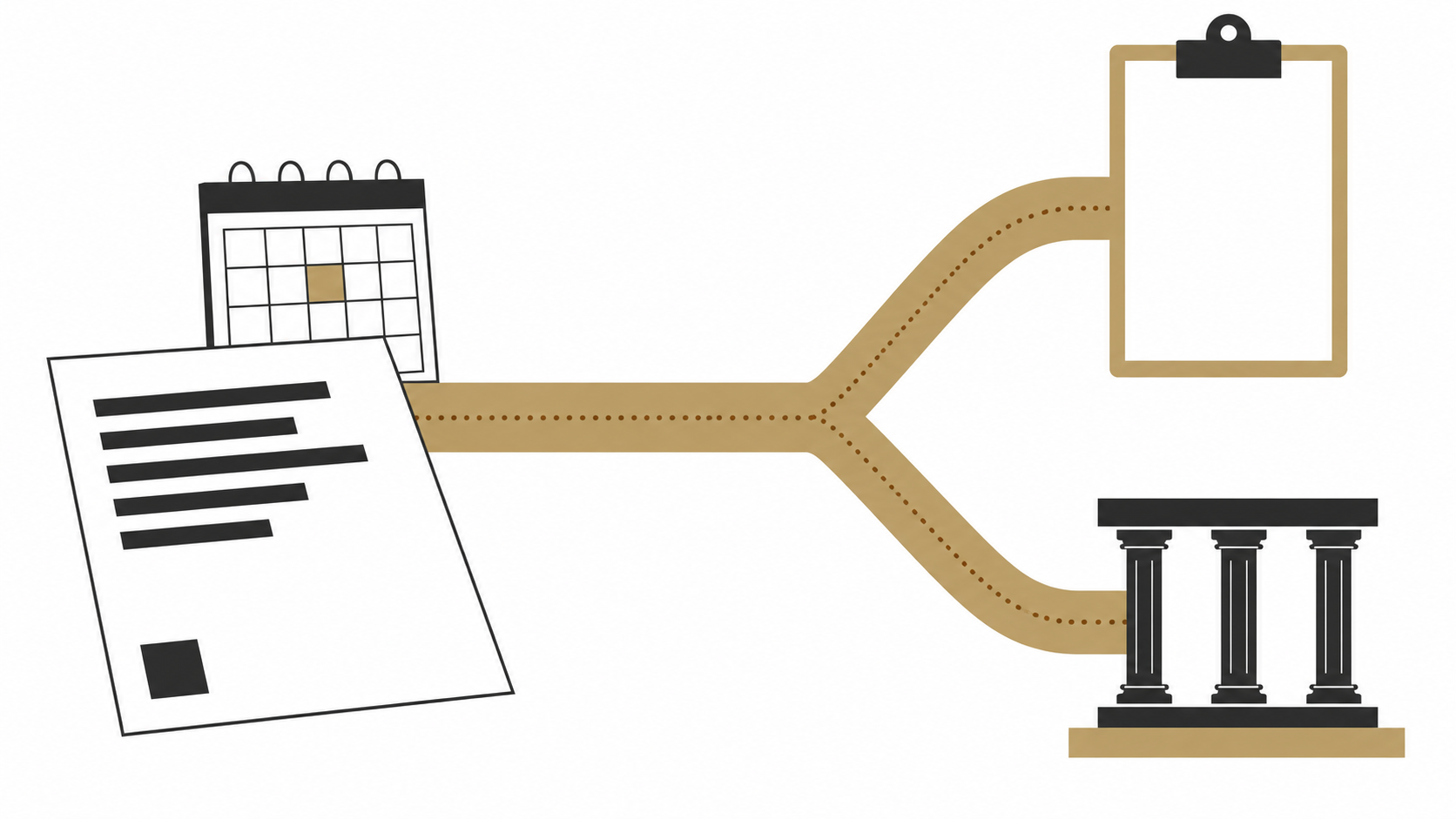
Choosing the right personal injury lawyer in Baton Rouge requires evaluating three critical factors: verified trial experience in the 19th Judicial District Court, direct partner involvement in your case, and the financial resources to fund litigation through verdict if needed. At Melancon, Rimes & Daquanno, we’ve seen how these factors determine whether clients receive settlement value or trial value from insurance companies. The difference can be hundreds of thousands of dollars.
Baton Rouge presents unique challenges for injury victims. Louisiana operates under a Civil Law system distinct from other states. Recent tort reform changes have fundamentally altered case strategy. The lawyer you choose must understand these nuances and be truly caring about your individual situation.
Why Choosing the Right Lawyer Matters in Baton Rouge
Baton Rouge presents unique challenges that make attorney selection particularly critical.
Louisiana’s Unique Legal System
Louisiana is the only state that operates under a Civil Law system derived from French and Spanish codes rather than Common Law. Legal precedents from other states do not apply here. Your attorney must have specific Louisiana experience, not just a license to practice in multiple states.
The procedural rules differ significantly. Evidence rules, pleading requirements, and appellate processes follow Louisiana’s distinct framework. An attorney who primarily practices in Texas or Mississippi will face a steep learning curve with your case.
Recent Legal Changes Affecting Your Case
Two major legislative changes have transformed personal injury law in Louisiana:
Extended Statute of Limitations (Act 423, effective July 1, 2024): The statute of limitations for personal injury cases extended from one year to two years under Louisiana Civil Code article 3493.11. This gives attorneys more time to build medical evidence. However, some firms may use this as an excuse to delay investigation rather than prepare your case properly.
Modified Comparative Fault (Act 15, effective January 1, 2026): Louisiana shifted from pure comparative fault to modified comparative fault with a 51% bar. Previously, you could recover damages even if you were 90% at fault. Under the current law, if you’re found 51% or more at fault, you recover nothing.
This change fundamentally alters what you should look for in an attorney. Defense lawyers now aggressively litigate liability to push your fault percentage over 50%. Your attorney must be skilled in accident reconstruction and liability defense, not just settlement negotiation.
The High-Stakes Environment of the 19th Judicial District Court
The 19th Judicial District Court serves East Baton Rouge Parish and has produced some of Louisiana’s highest jury verdicts. In February 2025, an East Baton Rouge jury returned a $411 million verdict in a single-plaintiff industrial accident case, believed to be the largest in Louisiana history.
These verdicts require specific expertise. Attorneys must understand the local jury pool, know the procedural preferences of specific judges, and have the trial skills to present complex medical evidence effectively.
As Louisiana’s capital and a major metropolitan area, Baton Rouge experiences significant traffic volume. In 2023, East Baton Rouge Parish reported 69 fatal crashes resulting in 73 fatalities, the highest of any parish in the state. The frequency of accident claims has led insurance companies to develop sophisticated defense strategies. This makes it essential to work with an attorney who has the experience and resources to build compelling cases that insurance companies take seriously.
Essential Criteria for Evaluating Personal Injury Lawyers
Focus on objective, verifiable criteria rather than marketing claims.
Trial Experience and Jury Verdicts
The value of your settlement is determined by the insurance company’s fear of your attorney at trial. If insurers know a firm rarely goes to court, they’ll offer settlement value rather than trial value.
Look for firms that publish specific jury verdicts, not just settlements. We’ve obtained verdicts including a $3.225 million personal injury verdict in Lafayette Parish and a $1.02 million jury verdict in East Baton Rouge. These results signal to insurers that we’re prepared to litigate.
Ask potential attorneys:
- How many jury trials have you personally tried?
- What were the verdicts in your last five trials?
- When was your last trial in the 19th Judicial District Court?
Firms that only list “settlements” may be signaling a preference for negotiation over litigation.
Partner Involvement vs. Associate Management
The attorney who signs your retainer agreement may not be the one handling your case. Many large firms assign cases to junior associates while partners focus on marketing and case acquisition.
This creates three problems:
- Associates lack the negotiating leverage that comes with experience
- High associate turnover means your case changes hands mid-stream
- Insurance adjusters know they’re not dealing with decision-makers
Our firm structures this differently. Our partners directly manage each case from consultation through resolution. When you hire us, a partner with decades of experience handles your file, not a recent law school graduate.
During consultations, ask specifically: “Who will be the attorney appearing in court for me?” If the answer is vague or involves “our team,” that’s a red flag.
Financial Resources to Fund Your Case
Personal injury litigation is expensive. A complex truck accident case may require $50,000 to $100,000 in upfront costs for accident reconstruction, medical experts, life care planners, and economists.
Virtually all personal injury attorneys work on contingency (typically 33.3% to 40% of recovery). But the critical question is: who pays the case expenses?
We advance all case expenses including expert witness fees, court filing costs, and medical records retrieval. If we don’t win your case, you owe nothing for these costs. This risk-free structure is essential for clients who cannot afford to fund litigation out of pocket.
Some firms advance costs but charge interest or deduct expenses before calculating the contingency fee. Clarify these terms during your consultation:
- Do you advance case costs?
- Do you charge interest on advanced costs?
- Are costs deducted before or after the contingency fee?
- What happens to costs if we lose?
Caseload and Personal Attention
An attorney managing 500 active files cannot provide personal attention. High caseloads force attorneys to rely on standardized processes rather than customized strategies.
We prioritize quality over volume. We carefully select cases where we can provide the attention needed to maximize recovery. This allows us to prepare every case for potential litigation rather than rushing toward quick settlements.
Ask potential attorneys about their current caseload. If they can’t or won’t answer, that’s concerning.
Understanding Different Law Firm Models
Baton Rouge law firms generally fall into three categories, each with distinct advantages and limitations.
| Firm Model | Primary Contact | Litigation Philosophy | Ideal Case Type | Communication Style |
| High-Volume Settlement | Case Manager/Associate | Settle quickly | Standard auto accidents | Portal-based |
| Partner-Led Trial-Ready | Senior Partner | Prepare for trial | Severe injury, complex liability | Direct/Personal |
| Specialized Niche | Specialist Attorney | Technical litigation | Offshore, medical malpractice | Technical/Detailed |
High-Volume Settlement Firms
These firms advertise heavily through television, billboards, and radio. Their business model relies on processing large numbers of claims quickly to generate revenue through volume.
Strengths:
- Efficient at handling straightforward liability cases
- Strong brand recognition
- Administrative systems for quick case processing
Limitations:
- Clients often interact with case managers rather than attorneys
- Preference for quick settlements unless liability is clear and damages are high
- Risk of leaving money on the table in complex cases
These firms can be appropriate for minor injuries or clear-cut liability situations where speed matters more than maximum recovery.
Partner-Led Trial-Ready Firms
This model emphasizes lower volume with higher personal attention. Our firm exemplifies this structure built on three foundations for success: availability, personal connection, and experience.
Strengths:
- Partners directly manage cases to ensure exceptional service
- Trial readiness creates negotiating leverage for maximum compensation
- Resources allocated to expert witnesses and thorough preparation
- Personalized strategies tailored to each client’s unique situation
- Higher likelihood of maximizing recovery in serious injury cases
Limitations:
- More selective about case acceptance
- May not handle minor property damage claims
- Longer resolution timelines due to thorough preparation
Our 20-year track record includes significant verdicts and settlements: a $16 million consumer fraud judgment, $3.225 million personal injury verdict, and $1.75 million judge verdict.
Specialized Niche Practices
These firms focus exclusively on specific case types such as maritime law, medical malpractice, or industrial accidents.
Strengths:
- Deep technical knowledge of specific statutes
- Established relationships with specialized expert witnesses
- Unmatched expertise within their niche
Limitations:
- Limited utility for general negligence claims
- May not accept cases outside their specialty area
For example, some Louisiana firms focus heavily on offshore and oilfield injuries under the Jones Act and Longshore Harbor Workers’ Compensation Act. If your case involves maritime or specialized industrial claims, a niche firm may be worth considering.
Critical Questions to Ask During Your Consultation
Treat the initial consultation as a job interview. These questions will reveal whether an attorney’s marketing matches their actual practice.
Case Management Questions
“Will you be the attorney appearing in court for me, or will it be an associate?”
This question ensures you’re paying for the experience advertised. At many Baton Rouge firms, support staff or junior associates handle the day-to-day work. You want to confirm that the attorney you meet will be the one managing your case.
“What is your current caseload?”
An attorney with 500 active files cannot provide personal attention. A lower caseload indicates focus on quality over quantity. Most attorneys will resist this question. Their reaction tells you something important.
“How often will I receive updates on my case?”
Establish communication expectations upfront. We provide regular updates and direct partner access via phone, email, and text.
Financial and Fee Questions
“What is your fee structure, and when do costs get deducted?”
Standard contingency fees in Louisiana range from 33.3% (no lawsuit filed) to 40% (lawsuit filed). The timing of cost deduction matters significantly.
Example with $100,000 recovery and $20,000 in costs:
- Costs deducted first: ($100,000 minus $20,000) x 33.3% = $26,640 fee, client receives $53,360
- Costs deducted second: $100,000 x 33.3% = $33,300 fee, client receives $46,700
“Do you charge interest on advanced case costs?”
Some firms borrow money to fund cases and pass the interest to clients. We advance costs without interest charges.
“What happens if we lose?”
Confirm that you owe nothing, including advanced costs, if the case is unsuccessful. This should be explicitly stated in the retainer agreement.
Strategy and Experience Questions
“How long do I have to file a claim?”
A straightforward question anyone would ask, and the answer naturally explains the two-year timeline and urgency.
“What if the insurance company says I was partially at fault?”
A real concern clients have. Under Louisiana’s modified comparative fault law, if you’re found 51% or more at fault for an accident that occurred on or after January 1, 2026, you recover nothing. The attorney’s answer reveals their strategy for handling liability disputes.
“Have you tried a case in the 19th Judicial District Court recently?”
Recent 19th JDC experience matters. Judges have procedural preferences, and the jury pool responds to specific narrative strategies. An attorney who primarily practices in other parishes won’t have these insights.
“What experts would you use for a case like mine?”
This reveals their preparation approach. Thorough attorneys will discuss specific medical experts, accident reconstructionists, or economists by name based on case type.
Red Flags That Should End Your Search Immediately
Certain behaviors indicate unethical practices or incompetence.
Illegal Solicitation and Runners
Louisiana prohibits attorneys from soliciting clients at accident scenes or hospitals. If someone contacts you uninvited after an accident, this violates Louisiana Rules of Professional Conduct.
Warning signs:
- Unsolicited calls or texts immediately after an accident
- Hospital or accident scene visits from “representatives”
- Referrals from tow truck drivers who receive kickbacks
Attorneys who use illegal solicitation often run high-volume practices that prioritize quantity over quality. They may also face disciplinary action that jeopardizes your case mid-stream.
Guaranteed Outcomes
Legal ethics prohibit guaranteeing results. No attorney can predict jury verdicts or settlement amounts with certainty.
Red flag phrases:
- “We never lose”
- “I can guarantee you’ll get X amount”
- “This is a slam dunk case”
Every case has risk, especially under the modified comparative fault rules now in effect. Attorneys who guarantee outcomes are either dishonest or dangerously overconfident.
Lack of Specialization
Personal injury law in Louisiana has become highly specialized. Changes like the modified comparative fault statute and new medical billing evidence rules require focused expertise.
Be cautious of “generalists” who handle divorce, DWI, criminal defense, and personal injury. They cannot keep current with the nuanced developments in each practice area.
Our firm focuses primarily on personal injury law, with 85% of our cases in this area. This specialization allows us to stay current with legislative changes and develop relationships with the medical and accident reconstruction experts essential to complex cases.
How to Verify a Lawyer’s Track Record
Marketing claims mean nothing without verification. Use these resources to confirm an attorney’s credentials and experience.
Louisiana State Bar Association: Search the attorney membership directory to verify bar admission date, disciplinary history, and areas of practice.
Louisiana Attorney Disciplinary Board: Check for any public disciplinary actions or administrative suspensions.
Court Records: Many jury verdicts are public record. Search the 19th Judicial District Court docket to verify trial activity. An attorney claiming extensive trial experience should have documented court appearances.
Published Case Results: Look for specific case results on the firm’s website. We publish detailed case summaries including:
- $16 million consumer fraud class action judgment
- $1.5 million antitrust settlement
- $1.25 million spinal injury settlement
- $1 million jury verdict for car accident
Professional Recognition: While awards like “Super Lawyers” involve peer voting and marketing, they indicate recognition within the legal community. Our partners have received such recognition, but we emphasize trial results over marketing awards.
Client Reviews: Read multiple reviews across platforms. Look for patterns in communication, responsiveness, and case outcomes rather than single testimonials.
Making Your Final Decision
After consultations with multiple firms, evaluate based on your specific case needs.
For minor injuries or straightforward liability: A high-volume firm may offer efficient resolution when speed matters more than maximum recovery.
For serious injuries or disputed liability: Partner-led trial-ready firms provide the attention and litigation capability needed to maximize recovery. The 51% comparative fault bar makes trial readiness particularly critical for any case with potential liability questions.
For specialized cases: Medical malpractice, maritime injuries, or industrial accidents often require niche expertise. Research firms with specific track records in those areas.
Our firm’s track record includes obtaining significant verdicts in the 19th Judicial District Court and surrounding parishes. We’ve only lost one trial in two decades. Our structure ensures that partners with 50+ years of combined experience directly manage your case from consultation through resolution.
We advance all case expenses without interest, meaning you risk nothing if we don’t win. We prepare every case for trial from day one, which creates the leverage needed to force insurance companies to pay trial value rather than settlement value.
Schedule a Free Consultation with a Baton Rouge Personal Injury Lawyer
The lawyer you choose will determine whether you receive fair compensation for your injuries. In Baton Rouge’s complex legal environment, that choice matters more than ever.
If you’ve been injured due to someone else’s negligence, we invite you to schedule a free consultation with Melancon, Rimes & Daquanno. During this meeting, you’ll speak directly with one of our partners who will evaluate your case and explain your legal options. We’ll answer all your questions and address your concerns without obligation.
Call us at (225) 303-0455 or visit our office at 6700 Jefferson Hwy (Building 6), Baton Rouge, LA 70806. We serve clients throughout East Baton Rouge Parish and surrounding areas includingPort Allen, Central, Baker, St. George, and Zachary.
Your initial consultation is completely free, and you pay nothing unless we win your case. Let us put our experience and trial-ready approach to work for you.