If you’re injured in Louisiana on or after January 1, 2026, a single finding by a jury can now wipe out your entire recovery. Under the state’s new modified comparative fault rule, being 51% or more at fault for your own injuries means you cannot recover a dollar, no matter how severe your injuries are or how much the other party contributed to the accident.
At Melancon, Rimes & Daquanno, we’ve handled personal injury cases in Louisiana for 20 years, and these reforms represent the most substantial shift we’ve seen in tort law during that time. Through our experience with thousands of cases, we’ve watched Louisiana move from one of the most plaintiff-friendly states to a system that places significantly more risk on injured parties.
This guide explains the current Louisiana personal injury framework, including the new 51% bar rule, extended deadlines for filing claims, insurance changes, and what these reforms mean for your case.
The Biggest Change: Modified Comparative Fault (51% Bar Rule)
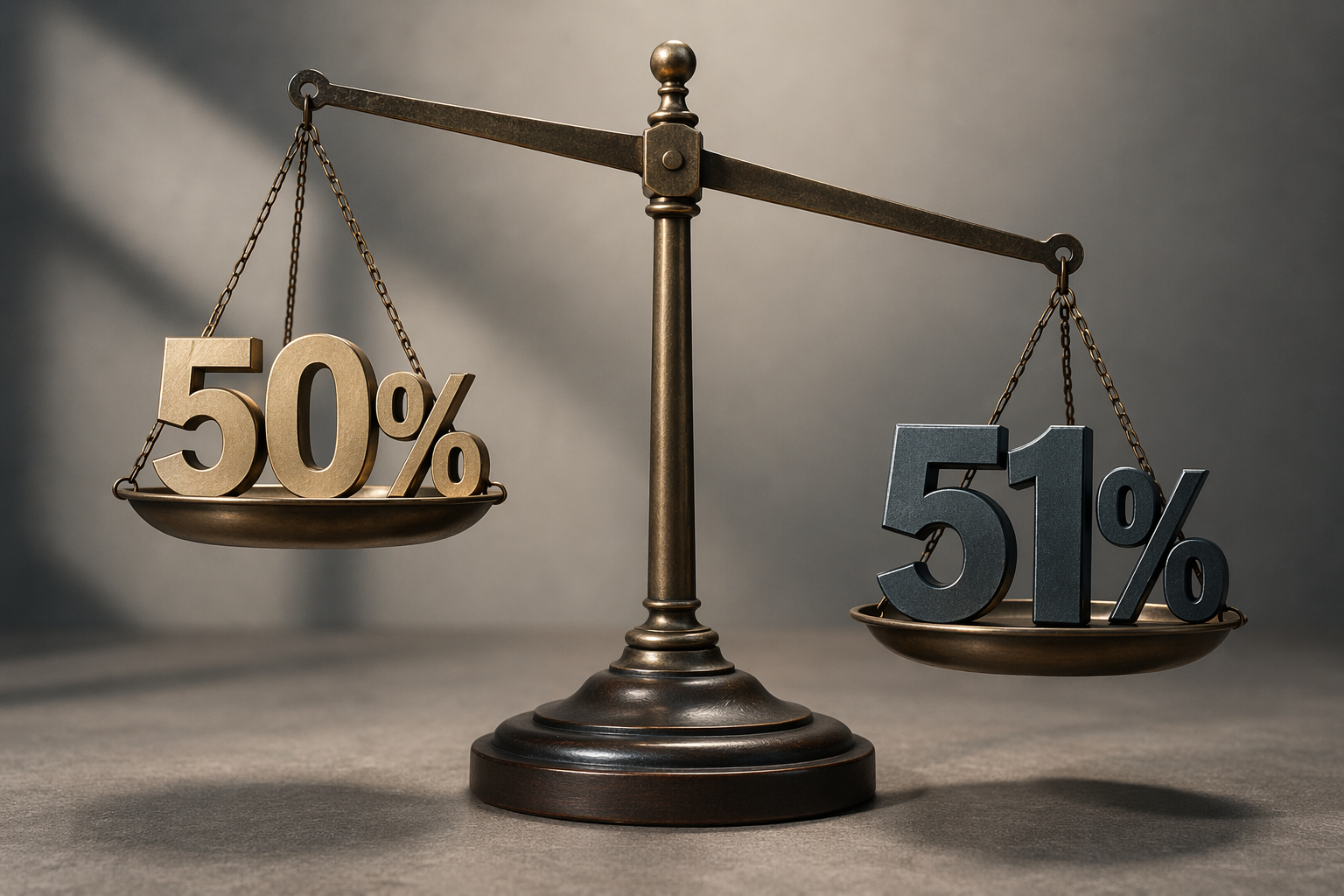
On January 1, 2026, Louisiana adopted a 51% bar to recovery through Louisiana Civil Code Article 2323. This fundamentally changed how fault is calculated in personal injury cases.
How the 51% bar works:
- If you’re 50% or less at fault: You can recover damages reduced by your percentage of fault
- If you’re 51% or more at fault: You recover nothing, even if the other party was also negligent
Here’s what this looks like in practice:
| Your Fault Percentage | Damages Awarded | Your Recovery (from $100,000 in damages) |
| 30% at fault | Yes, reduced by 30% | $70,000 |
| 50% at fault | Yes, reduced by 50% | $50,000 |
| 51% at fault | No recovery | $0 |
Before January 1, 2026, Louisiana used pure comparative fault. Even if you were 80% responsible for an accident, you could still recover 20% of your damages. That’s no longer the case.
The jury receives specific instructions about this rule. They know that finding you 51% at fault eliminates your recovery entirely, which influences how they approach fault allocation.
Exception: If the other party committed an intentional tort (assault, battery, intentional infliction of emotional distress), your own negligence doesn’t reduce what you can recover.
How Long Do You Have to File? Statute of Limitations in Louisiana
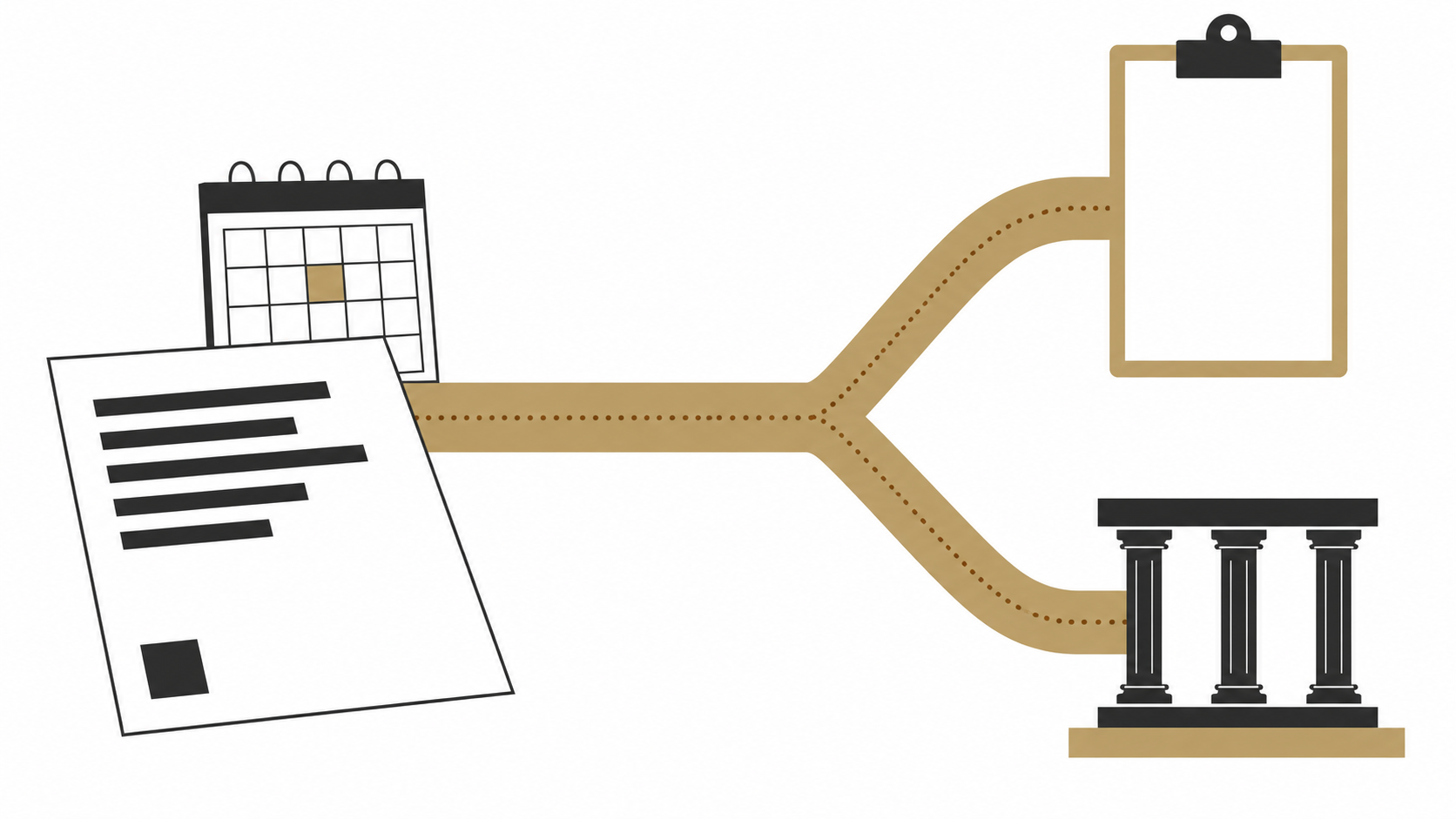
Louisiana extended most personal injury deadlines from one year to two years, effective July 1, 2024. The clock starts running from the day you were injured.
| Claim Type | Filing Deadline | Statutory Citation |
| General personal injury | 2 years from injury | La. C.C. Art. 3493.1 |
| Car accidents | 2 years from injury | La. C.C. Art. 3493.1 |
| Wrongful death | 1 year from death | La. C.C. Art. 2315.2 |
| Medical malpractice | 1 year from discovery | La. R.S. 9:5628 |
| Medical malpractice (absolute deadline) | 3 years | La. R.S. 9:5628 |
| Product liability | 2 years from injury | La. C.C. Art. 3493.1 |
| Claims against government entities | 1 year from incident | La. R.S. 13:5107 |
Important notes:
Medical malpractice cases have a three-year absolute deadline that applies to everyone, including minors. This is called a peremptive period. It cannot be extended for any reason.
Wrongful death claims remain at one year, despite the extension for other personal injury cases. If someone dies from injuries sustained in an accident, you have only one year from the date of death to file.
The two-year deadline applies only to injuries that occurred on or after July 1, 2024. If your injury happened before that date, the one-year deadline still applies.
Understanding Comparative Fault in Louisiana
Louisiana courts use the Watson factors to determine fault allocation. These come from the Louisiana Supreme Court Watson case, 469 So.2d 967 (La. 1985).
The five Watson factors are:
- Whether the conduct was inadvertent or done with awareness of danger
- The magnitude of risk the conduct created
- The significance of what the actor was trying to achieve
- The actor’s capacities (physical abilities, knowledge, etc.)
- Any extenuating circumstances that required quick action
We frequently see fault allocation issues in cases involving:
Rear-end collisions: The rear driver is usually at fault, but if the front driver stopped suddenly without reason or had non-functioning brake lights, fault can be split.
Intersection accidents: Right-of-way rules are clear in Louisiana, but factors like speed, visibility, and traffic signals all affect fault allocation.
Premises liability: Property owners aren’t automatically liable just because someone got hurt on their property. Courts examine whether the owner knew or should have known about the dangerous condition and whether the injured person was using reasonable care.
The challenge with the 51% bar is that fault determinations are inherently subjective. Two reasonable people can look at the same accident and reach different conclusions about fault allocation.
Car Accident Claims in Louisiana
Louisiana operates a fault-based insurance system. The at-fault driver’s insurance pays for damages to injured parties.
Minimum Insurance Requirements
Louisiana requires all drivers to carry:
| Coverage Type | Minimum Required |
| Bodily injury per person | $15,000 |
| Bodily injury per accident | $30,000 |
| Property damage | $25,000 |
These minimums are extremely low. A single emergency room visit can exceed $15,000, and moderate injuries often result in medical bills well over $30,000.
Uninsured/Underinsured Motorist Coverage (UM/UIM)
Louisiana law automatically includes UM/UIM coverage in every policy unless you reject it in writing on a specific form. This coverage protects you when:
- The at-fault driver has no insurance
- The at-fault driver’s insurance is insufficient to cover your damages
- You’re hit by a hit-and-run driver
You must initial the form and fill in coverage amounts. You must also print your name, sign, include the policy number, and date it. Missing any of these elements can invalidate the rejection.
Direct Action Restrictions
Starting August 1, 2024, Louisiana severely restricted when you can sue an insurance company directly. You can only bring a direct action against an insurer if:
- The insured is bankrupt
- The insured is insolvent
- The insured failed to defend the case for 180 days
- The claim involves family members
- You’re pursuing UM/UIM coverage
- The insured is deceased
- You need to establish that coverage exists
In most cases, you must sue the at-fault driver, not their insurance company. The insurance company’s name cannot appear in court documents. Juries cannot be told that insurance exists.
No-Pay, No-Play Law
Effective August 1, 2025, uninsured drivers face a $100,000 penalty even when they’re not at fault.
If you’re driving without insurance and another driver hits you:
- You cannot recover the first $100,000 of bodily injury damages
- You cannot recover the first $100,000 of property damages
- If you’re awarded $100,000 or less, you must pay all court costs for all parties
This applies even if the accident was entirely the other driver’s fault.
Exceptions apply if:
- The at-fault driver was intoxicated
- The at-fault driver committed a felony
- The at-fault driver fled the scene
- You were a passenger in someone else’s vehicle
Medical Malpractice Laws and Caps
Louisiana has specific procedures and damage caps for medical malpractice cases.
The Medical Review Panel Requirement
Before filing a lawsuit against a qualified healthcare provider, you must submit your claim to a medical review panel. The panel consists of three healthcare providers in the same specialty and one attorney chairman.
The process works like this:
- File a request with the panel within the one-year deadline
- Pay $100 per defendant within 45 days
- Wait for the panel to issue an opinion (must be within 12 months)
- Use the panel opinion as evidence at trial (though it’s not binding)
Filing the panel request suspends the one-year deadline. It stays suspended until 90 days after the panel issues its opinion. This gives you additional time to file your lawsuit after the panel process concludes.
Damage Caps
Medical malpractice cases against qualified providers are capped at $500,000 plus interest and costs:
| Source | Maximum Amount | Citation |
| Individual provider | $100,000 | La. R.S. 40:1231.2(B)(2) |
| Patient’s Compensation Fund | $400,000 | La. R.S. 40:1231.2(B)(1) |
| Total cap | $500,000 | La. R.S. 40:1231.2(B)(1) |
| Future medical care | No cap | La. R.S. 40:1231.3 |
The cap applies to total damages awarded, including pain and suffering, lost wages, and past medical expenses. However, future medical care is paid separately by the Patient’s Compensation Fund and is not subject to the cap.
Qualified providers are those enrolled in the Patient’s Compensation Fund with at least $100,000 per-claim coverage. Non-qualified providers face unlimited liability and don’t have the protection of the medical review panel process.
Proving Medical Malpractice
You must prove four elements in a medical malpractice case:
- The applicable standard of care
- The healthcare provider breached that standard
- The breach caused your injury
- You suffered damages
Standard of care varies by specialty and location. A specialist at a major teaching hospital is held to different expectations than a general practitioner in a rural clinic.
Premises Liability: Slip and Fall Cases
Property owner liability in Louisiana depends on whether the property owner is a merchant.
Merchant Liability
Louisiana’s merchant liability statute (La. R.S. 9:2800.6) requires you to prove all three elements:
- The condition presented an unreasonable risk of harm that was reasonably foreseeable
- The merchant either created the condition or had actual or constructive notice of it
- The merchant failed to exercise reasonable care
Constructive notice means the condition existed long enough that the merchant should have discovered it through reasonable inspection. Simply having an employee in the area doesn’t establish constructive notice.
In our experience handling premises liability cases, the constructive notice requirement is often the most challenging element to prove. You need evidence showing how long the hazard existed. Witness statements, surveillance footage, or the hazard’s appearance can help establish this timeline.
Non-Merchant Property Owners
For non-merchant property owners, liability comes from Louisiana Civil Code Article 2317.1. You must prove:
- The property had a ruin, vice, or defect
- The owner knew or should have known about it
- The damage could have been prevented by reasonable care
- The owner failed to exercise such care
Property owners aren’t automatically liable just because someone got hurt on their property. The injured person must also show they were using reasonable care for their own safety.
Wrongful Death and Survival Claims
Louisiana recognizes two separate types of claims when someone dies from injuries: wrongful death and survival actions.
Wrongful Death Claims
A wrongful death claim recovers damages suffered by the survivors. This includes their loss of love, companionship, and support. Only specific family members can bring these claims, in this order:
| Priority | Who Can Recover |
| First | Surviving spouse and/or children |
| Second | Surviving parents (only if no spouse or children) |
| Third | Surviving siblings (only if no spouse, children, or parents) |
| Fourth | Surviving grandparents (only if no higher-priority survivors) |
You must file a wrongful death claim within one year of the death. This deadline was not extended to two years.
If a parent abandoned their child during the child’s minority, they’re legally deemed not to have survived the child and cannot bring a wrongful death claim.
Survival Actions
A survival action recovers the damages the deceased person would have been able to recover if they had lived:
- Pain and suffering before death
- Medical expenses
- Lost wages before death
The deadline for survival actions is one year from death or two years from the original injury, whichever is longer.
This matters when someone dies months or years after the initial injury.
Damages Caps and Limitations
Louisiana doesn’t cap damages in most personal injury cases, but there are exceptions.
Claims Against Government Entities
Claims against the state or any political subdivision (cities, parishes, school boards) are capped at $500,000 per person. This includes state, parish, and municipal agencies.
The cap doesn’t include:
- Property damage
- Medical care and related benefits
- Loss of earnings
- Loss of future earnings
You must file a claim with the government entity within one year of the incident.
Punitive Damages
Louisiana generally doesn’t allow punitive damages. They’re available only when specifically authorized by statute:
| Statute | When Available |
| La. C.C. Art. 2315.4 | Intoxicated driving causing injury |
| La. C.C. Art. 2315.3 | Child pornography involving minors |
| La. C.C. Art. 2315.7 | Criminal sexual activity against minors |
| La. C.C. Art. 2315.8 | Domestic abuse causing serious injury |
| La. C.C. Art. 2315.10 | Hazing causing death |
For drunk driving cases, you must prove wanton or reckless disregard for others’ safety. The driver’s intoxication must be a cause of the injuries.
There’s no statutory cap on punitive damages amounts.
Recent Legislative Changes (2024-2026)
Louisiana enacted significant tort reforms between 2024 and 2026:
| Act | Subject | Effective Date | Key Change |
| Acts 2024, No. 423 | Statute of limitations | July 1, 2024 | Extended from 1 year to 2 years |
| Acts 2024, No. 275 | Direct action | August 1, 2024 | Limited when insurers can be sued |
| Acts 2024, No. 252 | Animal liability | August 1, 2024 | New rules for livestock incidents |
| Acts 2025, No. 15 | Comparative fault | January 1, 2026 | Implemented 51% bar to recovery |
| Acts 2025, No. 16 | No-pay, no-play | August 1, 2025 | Increased penalty to $100,000 |
| Acts 2025, No. 18 | Housley presumption | May 28, 2025 | Eliminated causation presumption |
The elimination of the Housley presumption through Louisiana Code of Evidence Article 306.1 means you must now prove causation affirmatively. Previously, courts presumed the accident caused your injury if you had no prior history of a medical condition. That presumption no longer exists.
What This Means for Your Case
These legislative changes significantly affect how personal injury cases are evaluated and litigated in Louisiana.
The 51% bar requires careful fault assessment from the start. In our two decades of practice, we’ve found that fault allocation often determines case value more than injury severity under the new system. A case with catastrophic injuries and clear liability may be more valuable than a case with moderate injuries where fault is disputed.
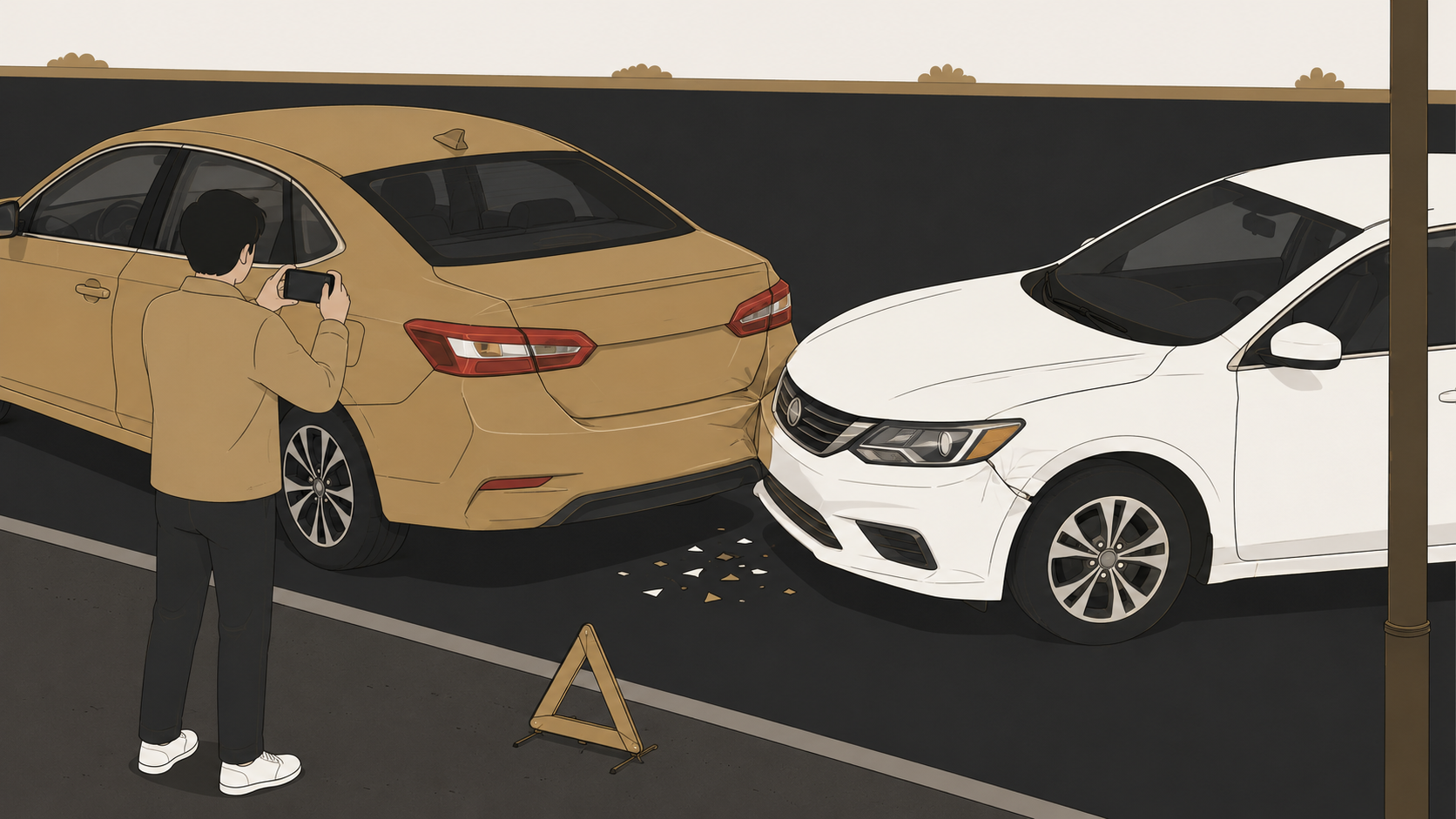
Document everything immediately after an accident:
- Take photographs of the scene, vehicles, and your injuries
- Get contact information from witnesses
- Seek medical treatment promptly and follow all treatment recommendations
- Don’t give recorded statements to insurance companies before consulting an attorney
- Keep all medical records, bills, and correspondence
Time matters more than it used to. While the two-year deadline provides more time than the old one-year period, you shouldn’t wait. Evidence disappears, witnesses’ memories fade, and surveillance footage gets deleted. We recommend consulting with an attorney within the first few weeks after an injury.
Insurance coverage is critical. With minimum liability limits of only $15,000 per person, many at-fault drivers don’t have sufficient coverage to compensate serious injuries. Your own UM/UIM coverage often provides the most significant source of recovery.
The no-pay, no-play law creates additional risk. If you’re uninsured and injured by someone else’s negligence, you automatically lose the first $100,000 of recovery. That’s reason enough to maintain at least minimum coverage.
Through our experience with thousands of personal injury cases in Louisiana, we’ve seen how quickly insurance companies move to establish fault percentages in their favor. The 51% bar gives them significant leverage in settlement negotiations. Having experienced representation early in the process helps protect your interests before fault determinations become entrenched.
Get Help with Your Louisiana Personal Injury Case
At Melancon, Rimes & Daquanno, we’ve handled personal injury cases in Baton Rouge and throughout Louisiana for 20 years. We’ve only lost one trial in that time. We’ve recovered millions of dollars for our clients, including a $16 million consumer fraud judgment and significant settlements in motor vehicle accidents, premises liability, and wrongful death cases.
We offer free consultations to evaluate your case and explain your legal options. We work on a contingency fee basis, which means you don’t pay any attorney fees unless we win your case. We advance all case expenses, including court filing fees, expert witness fees, and medical records costs.
Call us at (225) 303-0455 or visit our office at 6700 Jefferson Hwy (Building 6), Baton Rouge, LA 70806. We’re here to help you understand your rights and fight for the compensation you deserve.