If your ex has stopped making child support payments, Louisiana law gives you multiple ways to recover the money your child is owed. You can work through the state’s administrative enforcement system, file a motion for contempt in court, or pursue both options simultaneously.
At Melancon, Rimes & Daquanno, our family law attorneys bring over 50 years of combined experience to cases like these. We’ve helped parents across greater Baton Rouge recover unpaid child support through every available legal channel. Understanding your options puts you in a stronger position. Below, we walk through each enforcement tool available under Louisiana law, when to use them, and how to protect your child’s financial interests.
How Louisiana Enforces Child Support Orders
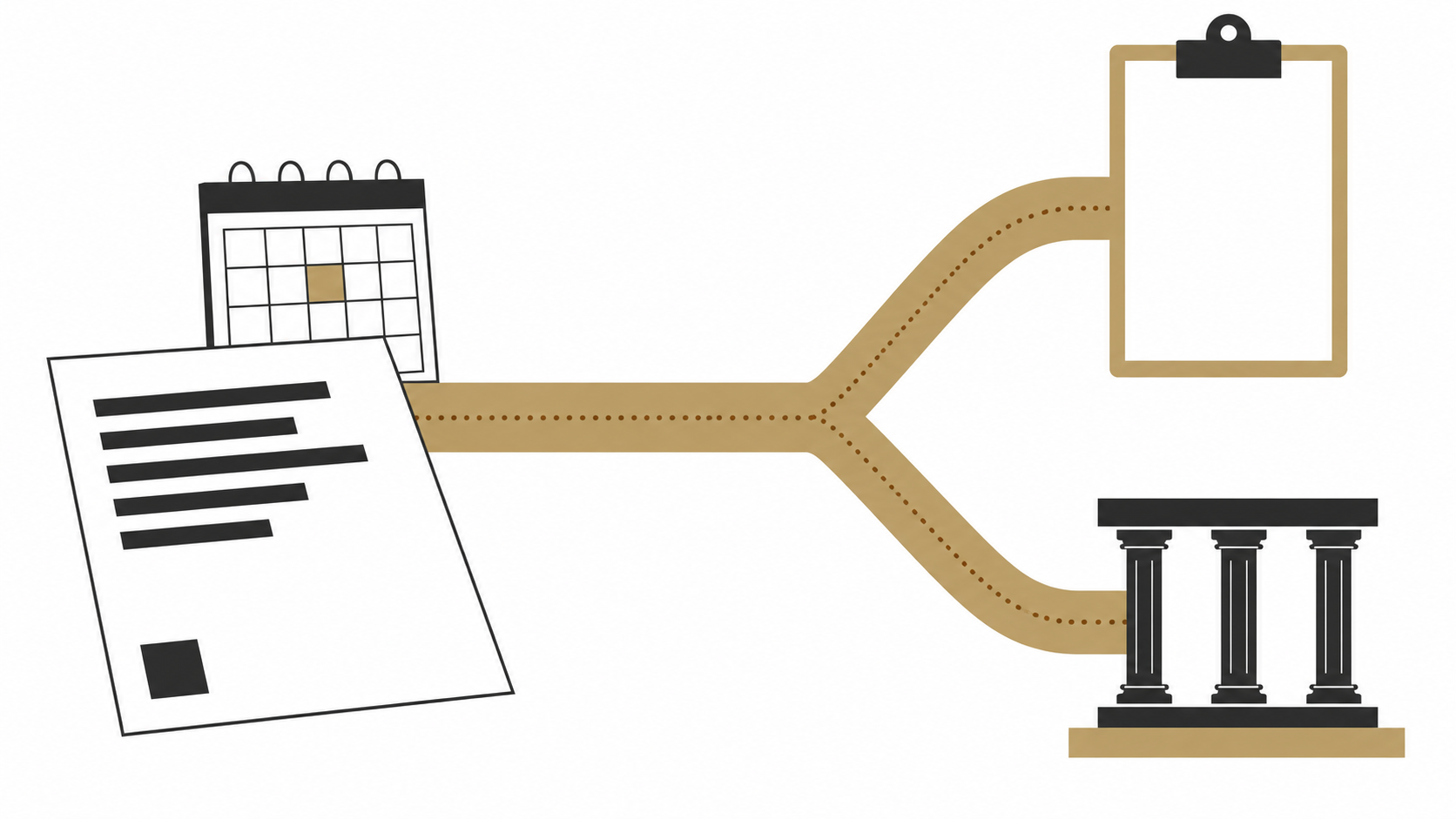
Louisiana uses a two-tier enforcement system: administrative enforcement through the Department of Children and Family Services (DCFS) and judicial enforcement through the courts.
Administrative enforcement involves automatic tools like wage garnishment, tax refund interception, and license suspensions. These methods are handled by DCFS and don’t require you to go to court for each action.
Judicial enforcement gives you the power to hold your ex in contempt of court. A judge can impose fines, jail time, and order immediate payment. This option is more aggressive but requires filing a motion and attending a hearing.
According to a 2025 audit by the Louisiana Legislative Auditor, Louisiana has $2.0 billion in total past-due child support. The state collected only 55.8% of current support owed in federal fiscal year 2024, compared to a national average of 65.3%. These numbers underscore why being proactive about enforcement matters.
Step 1: Document Everything
Before taking formal action, gather documentation of the missed payments. You’ll need this evidence whether you pursue administrative or judicial enforcement.
Collect:
- Your original child support order showing the payment amount and schedule
- A record of all payments received and missed (dates and amounts)
- Any communications with your ex about missed payments
- Evidence of your ex’s income or lifestyle that contradicts claims of inability to pay (social media posts showing new purchases, vacations, or vehicles can be useful)
In Louisiana, a parent becomes legally delinquent the day after a payment is missed, as long as the total amount owed equals or exceeds one month’s support obligation. You don’t need to wait months to take action.
Step 2: Contact DCFS Child Support Enforcement
The DCFS Child Support Enforcement (CSE) section provides services in all 64 Louisiana parishes. If you’re not already enrolled in their program, applying should be your first step.
Application Fees
| Your Situation | Cost |
| FITAP, KCSP, or Medicaid recipient | Free |
| General public | $25 one-time fee |
| Locate-only service (with SSN) | $10 |
| Locate-only service (without SSN) | $14 |
If DCFS collects at least $550 on your behalf in a federal fiscal year and you’ve never received FITAP benefits, federal law requires them to charge a $35 annual collection fee. This is typically deducted from the first payment after the threshold is met.
Once enrolled, you can track your case and communicate with your caseworker through the LA CAFÉ portal.
What DCFS Can Do For You
CSE can locate your ex-spouse, establish paternity if needed, modify support orders, and use multiple enforcement tools to collect payments. However, the 2025 audit found error rates of 25.5% among regional DCFS staff and 33.5% among District Attorney staff handling child support cases. Common errors included failing to take enforcement action and failing to verify employment status.
This means you shouldn’t take a hands-off approach. Check in regularly, report any changes in your ex’s employment or income, and escalate if your case isn’t moving forward.
What Administrative Tools Does Louisiana Use to Collect Support?
DCFS has several automated methods to collect support without requiring you to file court motions each time.
Income Assignment (Wage Garnishment)
Income assignment is Louisiana’s most effective collection tool, accounting for over 65% of all recovered support annually. Under RS 46:236.3, most child support orders include automatic wage garnishment.
Once your ex’s employer receives a withholding notice, they must begin deducting support from the first pay period after receipt. The employer must send the funds to the state within 7 days and cannot withhold more than 50% of your ex’s weekly disposable earnings.
Employers face penalties for non-compliance. If an employer willfully fails to withhold or remit funds, the court can enter a judgment against them for the full amount not withheld plus fines of up to $50 per day.
Tax Refund Interception
DCFS can intercept federal and state income tax refunds owed to your ex. For federal refunds, the Treasury Department sends your ex a “Pre-Offset Notice” showing the amount owed and giving them a window to contest the debt.
If your ex files jointly with a new spouse, the state may hold the funds for up to six months to allow the non-debtor spouse to claim their portion.
Bank Account Levies
For self-employed parents or those who avoid traditional employment, DCFS uses the Financial Institution Data Match (FIDM) system. Under RS 46:236.1.4, banks must report account information for non-custodial parents who are delinquent on support.
The state can then issue a notice of lien or levy to the bank. Your ex has 15 days to take legal action to stop the asset surrender.
Insurance and Lottery Interception
Louisiana intercepts approximately $8.3 million per year from delinquent parents through insurance claims, primarily from casualty and workers’ compensation payouts. Lottery winnings, casino payouts, and sports betting prizes can also be seized.
How Does License Suspension Work for Unpaid Child Support?
When a parent is at least 90 days delinquent on support or has failed to provide court-ordered medical support, DCFS can demand suspension of their licenses under RS 9:315.40 through 9:315.48.
Types of Licenses Subject to Suspension
| License Category | Examples |
| Professional/Occupational | Doctors, lawyers, barbers, contractors, nurses |
| Motor Vehicle | Driver’s license, commercial driver’s license |
| Recreational | Hunting, fishing, sporting permits |
| Registration | Vehicle tags, license plates, boat trailers |
DCFS must send notice by certified mail before suspending. Your ex then has 20 days to request an administrative hearing. At the hearing, the only issue considered is whether they’re in compliance with the support order. Arguments about inability to pay or fairness of the underlying order aren’t permitted.
The “On the Road Again” Reinstatement Program
DCFS periodically offers the “On the Road Again” promotion, allowing parents to reinstate their licenses under reduced conditions. Normally, a parent would need to pay off all arrears to get their license back.
During promotional periods (typically August and September), eligible parents can reinstate by paying two months of current support and $100 toward arrears for each case. In one month of 2019 alone, the program collected over $121,000 and helped 140 parents regain their licenses.
If you know your ex values their ability to drive or work in a licensed profession, license suspension can be highly effective leverage.
Passport Denial for Large Arrears
Under the federal Passport Denial Program, any parent certified as owing $2,500 or more in past-due support is automatically referred to the U.S. Department of State. This results in denial of new passport applications and potential revocation of existing passports.
Paying the balance down below $2,500 doesn’t trigger automatic removal from the program. According to the Administration for Children and Families, your ex generally must pay the debt in full or demonstrate consistent compliance before removal.
If your ex travels internationally for work or pleasure, this can be significant leverage.
When Should You File a Motion for Contempt?
While administrative enforcement works in the background, you have the right to bypass DCFS and file a motion for contempt directly with the court that issued your original support order.
Contempt proceedings are appropriate when:
- Administrative enforcement isn’t producing results
- You want more aggressive action
- Your ex has assets or income that administrative tools haven’t captured
- You want the court to impose penalties that create immediate pressure
What the Court Can Do
Failing to pay child support is classified as constructive contempt under Louisiana law. The court must find that your ex had the ability to pay or could have obtained that ability through due diligence.
| Penalty Type | First Offense | Subsequent Offenses |
| Fine | Up to $500 | Up to $500 |
| Jail | Up to 90 days | Up to 6 months |
| Alternative | Community service | Community service |
The judge can suspend a jail sentence on the condition that your ex pays everything owed, including your court costs and attorney fees.
The Purge Amount
In civil contempt cases, any parent jailed for non-payment must be given an opportunity to “purge” themselves of contempt by paying a specific amount set by the court. This amount is designed to compel payment, not simply punish.
One defense your ex may raise: under RS 9:311.1, actual incarceration during the period of non-compliance cannot be used as the basis for a contempt charge. This applies only to the specific time they were in jail or prison.
Criminal Prosecution for Willful Non-Payment
For serious cases of willful and persistent non-payment, the state can pursue criminal charges.
Criminal Neglect of Family (RS 14:74)
Under RS 14:74, it’s a misdemeanor to intentionally fail to support a minor child who is in “necessitous circumstances,” meaning they lack food, shelter, clothing, health care, or adequate education. Conviction can result in up to $500 in fines, up to six months in jail, or both.
Deadbeat Parents Punishment Act (RS 14:75)
RS 14:75 targets parents whose delinquency is especially severe. It’s unlawful to intentionally fail to pay support if the debt has remained unpaid for longer than six months or exceeds $2,500.
| Situation | Potential Penalty |
| First offense | Up to $500 fine, up to 6 months jail |
| Second or subsequent offense | Up to $2,500 fine, up to 2 years prison |
| Arrears exceed $15,000 | Up to $2,500 fine, up to 2 years prison |
Courts can also order full restitution of all unpaid support at the time of sentencing.
How Much Interest Accrues on Unpaid Child Support in Louisiana?
Unpaid support doesn’t just sit there. It grows.
Louisiana child support arrears accrue judicial interest annually. According to the Louisiana Office of Financial Institutions, the rates are:
| Calendar Year | Interest Rate |
| 2026 | 7.50% |
| 2025 | 8.25% |
| 2024 | 8.75% |
| 2023 | 6.50% |
For context, with $2.0 billion in statewide arrears, the interest component adds significant weight to what delinquent parents owe.
Courts can also impose a fee of up to 5% of all existing and future support obligations to fund expedited enforcement. This fee is assessed only against the non-paying parent and doesn’t reduce the amount you receive.
Making Past-Due Payments Executory
Each installment of child support becomes a judgment by operation of law on the day it’s missed. However, to use aggressive collection tools like seizing real estate or placing a lien on property, you must “make the past-due payments executory.”
This involves filing a summary proceeding to have the court determine the exact dollar amount of the delinquency. Once the court renders that judgment, you can record it in the mortgage records of any parish, creating a “judicial mortgage” on any property your ex currently owns or later acquires in that parish.
For cases being enforced through DCFS, the state can create this lien through an administrative affidavit without requiring a full judicial proceeding.
Statute of Limitations
Child support arrears are subject to a ten-year prescription period under Louisiana law. But the rules are protective of the child’s interests:
- Prescription doesn’t begin until the child reaches majority or the support obligation ends
- Every payment received (voluntary or through interception) interrupts the ten-year period, restarting the clock
- Recorded judicial mortgages can be renewed indefinitely
This means you have significant time to pursue arrears, but it’s still better to act sooner rather than later.
Can Your Ex Modify the Support Order?
If your ex genuinely cannot pay the current amount, they can file to modify the support order. Under RS 9:311, modification requires proving a “material change in circumstances” that is substantial and continuing.
There’s a rebuttable presumption that a material change exists if applying the state guidelines would result in at least a 25% change in the monthly award.
What they cannot do is simply stop paying and claim hardship later. Modification is effective from the date the motion is filed with the court. The court generally cannot retroactively reduce debt that accumulated before the filing.
If your ex files a frivolous motion to modify that gets dismissed, the court can order them to pay your attorney fees and costs.
Can You Make Your Ex Pay Your Attorney Fees?
One powerful aspect of Louisiana law: RS 9:375 mandates that the court award attorney fees and costs to the prevailing party in an action to make past-due payments executory, except for “good cause shown.”
The word “shall” in the statute means these awards are not merely discretionary. If you win, your ex should pay for the lawyer you hired to recover the money.
This fee-shifting provision removes a significant barrier to enforcement. It also means there’s real financial consequence to your ex for forcing you into court.
Self-Help Resources If You’re Representing Yourself
If hiring an attorney isn’t feasible right now, Louisiana has resources to help self-represented litigants:
| Location | Resources |
| Orleans Civil District Court | Room 101, open daily, Pro Bono Project partnership |
| 19th JDC (East Baton Rouge) | 4th Floor Self-Help Center, open Tues/Thurs 10am-2pm |
| 24th JDC (Jefferson Parish) | Triage program, phone/video help 9am-12pm Mon-Fri |
| 4th JDC (Ouachita/Morehouse) | Automated form printing and instruction guides |
If you can’t afford court filing fees, you can file an “In Forma Pauperis” affidavit asking the court to postpone or waive costs.
The Louisiana Legal Navigator offers step-by-step guidance for filing a Rule for Contempt, including court-approved forms.
When Your Ex Has Moved Out of State
If your ex leaves Louisiana, the Uniform Interstate Family Support Act (UIFSA) ensures they can’t escape their obligations. Louisiana adopted UIFSA in 1996.
Under UIFSA, an Income Withholding Order issued by a Louisiana court or DCFS can be sent directly to your ex’s employer in another state. The out-of-state employer must honor the notice as if it came from a court in their own state.
Your ex can contest the withholding, but only under the procedural rules of their current state of residence. The underlying support order remains controlled by Louisiana law.
Talk to a Family Law Attorney
When enforcement gets complicated, or when you’ve tried administrative channels without success, working with an attorney can make a real difference in outcomes.
At Melancon, Rimes & Daquanno, we take child support enforcement seriously because we understand what’s at stake for families. Our attorneys can help you file contempt motions, make arrears executory, place liens on property, and pursue every available tool to collect what your child is owed.We offer free consultations so you can understand your options before making any decisions. Call us at (225) 303-0455 or visit our office at 6700 Jefferson Hwy (Building 6), Baton Rouge, LA 70806. We serve families throughout East Baton Rouge Parish and the surrounding communities.